When you’re traveling in Korea,
it can be really frustrating if the weather forecast turns out to be wrong and it suddenly starts raining, right?
“I thought it was supposed to be sunny until just a moment ago!”
That experience is actually very common in Korea.
Weather forecasts are one of the most frequent concerns for travelers to Korea, so in this article we’ve summarized:
Even locally, Korea’s weather forecasts are sometimes jokingly called:
“The Liar Administration”
“The Broadcasting Administration (just telling you the current weather, not the forecast)”
That’s how challenging weather prediction in Korea is known to be.
🗺️ Geographic Conditions and Forecast Models Are Different
◯ Geographic Conditions
Korea is surrounded by the sea on three sides,
and about 70% of the country is mountainous, creating very complex terrain.
In addition, Korea is located where dry air from the continent and moist air from the sea collide.
As a result, rain clouds can form and develop very suddenly, which is one of Korea’s major weather characteristics.
◯ Differences in Weather Forecast Models
Korea has been using its own domestic forecast model only since around 2020, which is relatively recent.
Because data is still being accumulated, weather prediction remains particularly difficult.
At this point, many people may be wondering:
“So what should we trust?”
It’s hard to view Korean forecasts, but here’s how Koreans themselves check the weather.
✅ The Key Is to Check Multiple Sources Together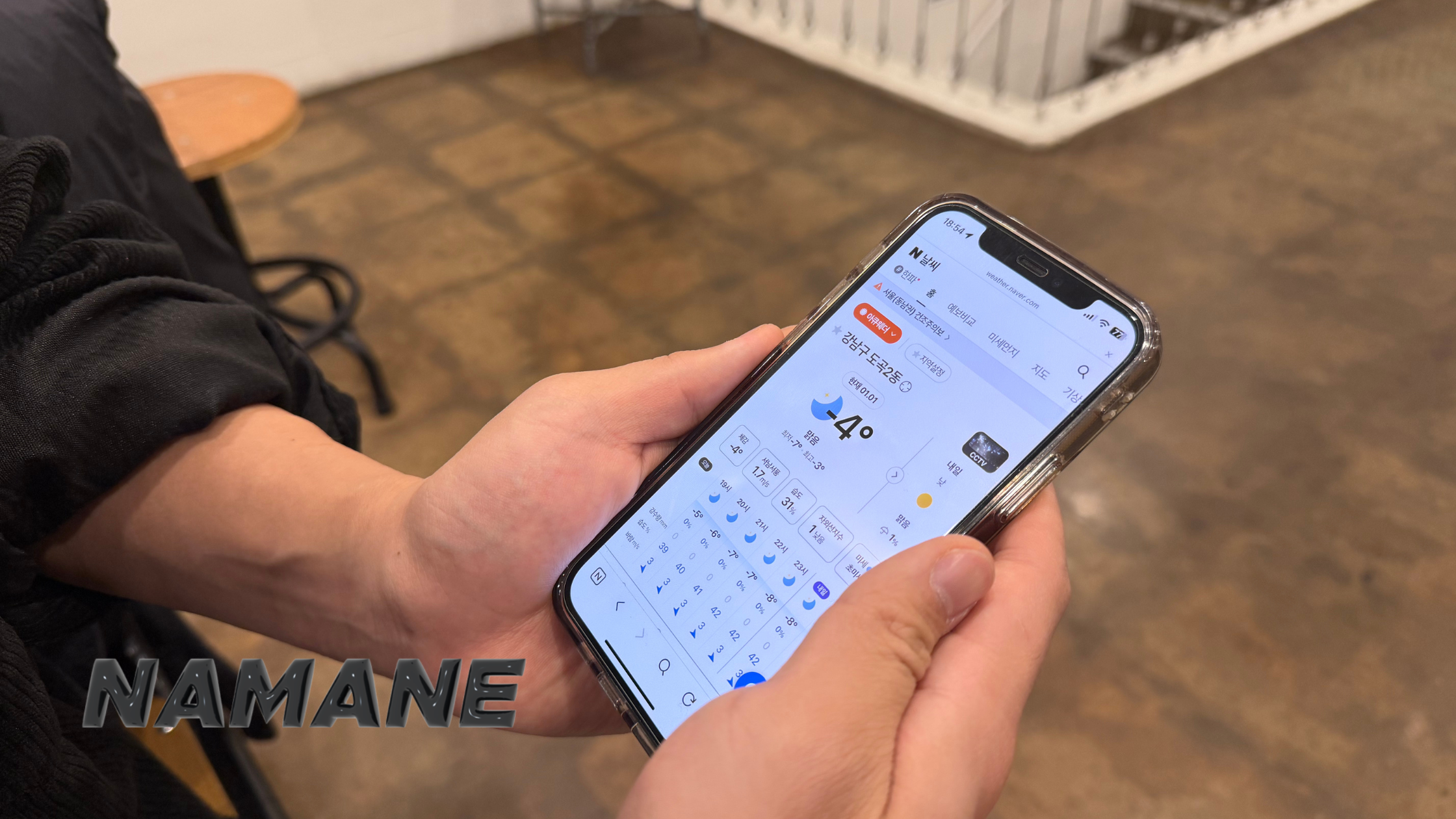 ◯ Korea Meteorological Administration (KMA)
https://www.kma.go.kr/njpn/index.do
◯ NAVER Weather
https://weather.naver.com/today/09680656?cpName=WEATHERNEWS
On NAVER Weather, you can compare four different forecast providers:
1️⃣ Korea Meteorological Administration (기상청)
The official authority with vast domestic observation data.
If you want to check official warnings such as heavy rain alerts, this is the most reliable source.
2️⃣ AccuWeather (아큐웨더)
An American company that uses AI to analyze global weather data.
Many default weather apps on iPhone and Android use AccuWeather data.
3️⃣ The Weather Channel (웨더채널)
Another globally renowned weather service, using IBM’s AI technology to analyze massive datasets.
4️⃣ Weathernews (웨더뉴스)
Combines highly precise forecasting models with Korean weather data.
Its strength lies in calculation accuracy.
Because each provider uses different numerical models, update frequencies, and terrain interpretations, forecast results naturally vary.
Additionally:
Their purposes and definitions differ as well.
A Key Difference from other countries : Air Quality
One major difference when checking the weather in Korea
is the focus on air quality.
Let’s take a look at a Korea-specific indicator.
■ What Is “Mise-munji” (Fine Dust)?
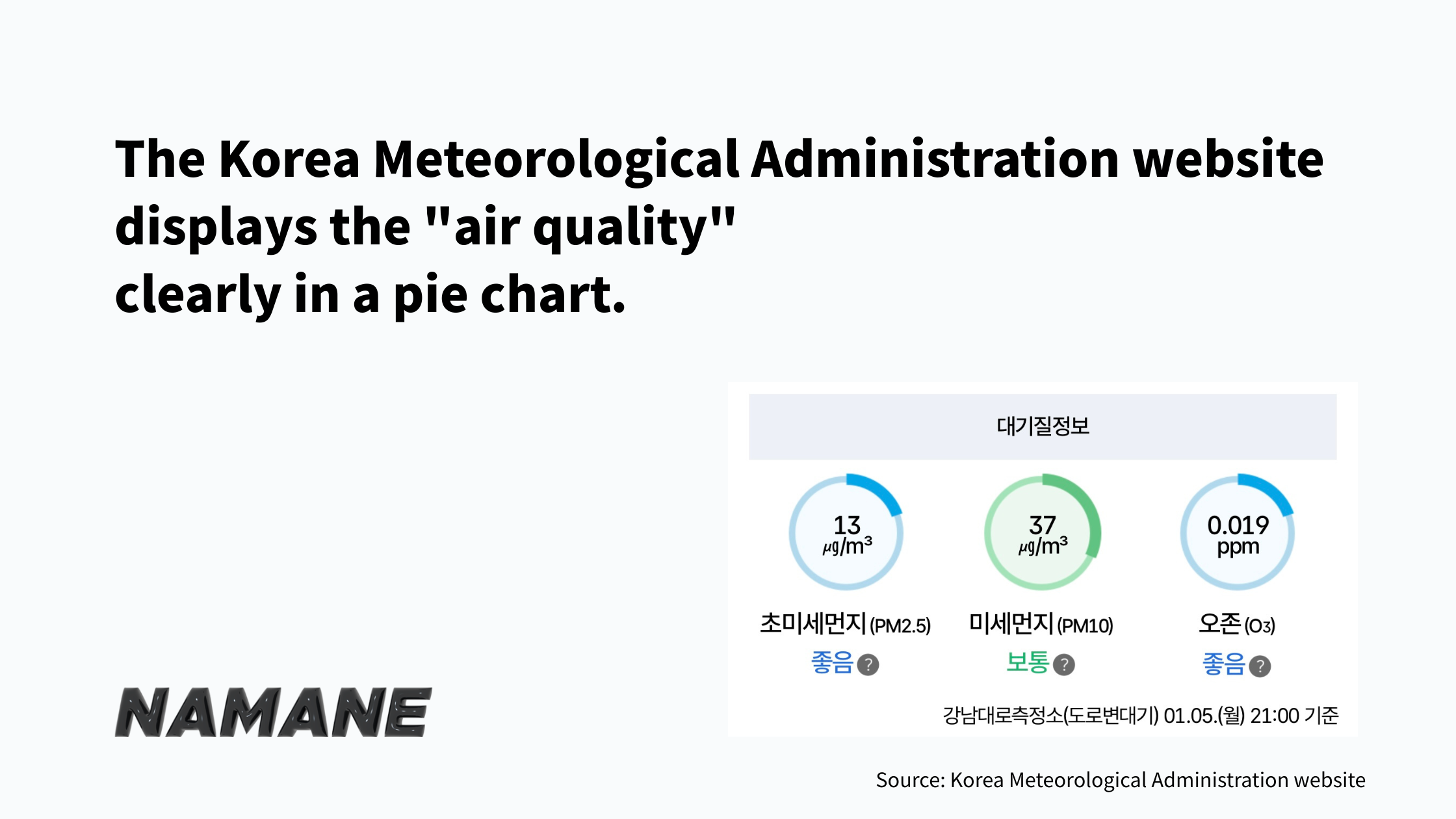
“Mise-munji” means “fine dust” in Korean and refers collectively to airborne particulate pollutants.
Because of its significant health impact, it is always included in daily forecasts in Korea.
🌈 Namsan Tower as an “Air Quality Signal”
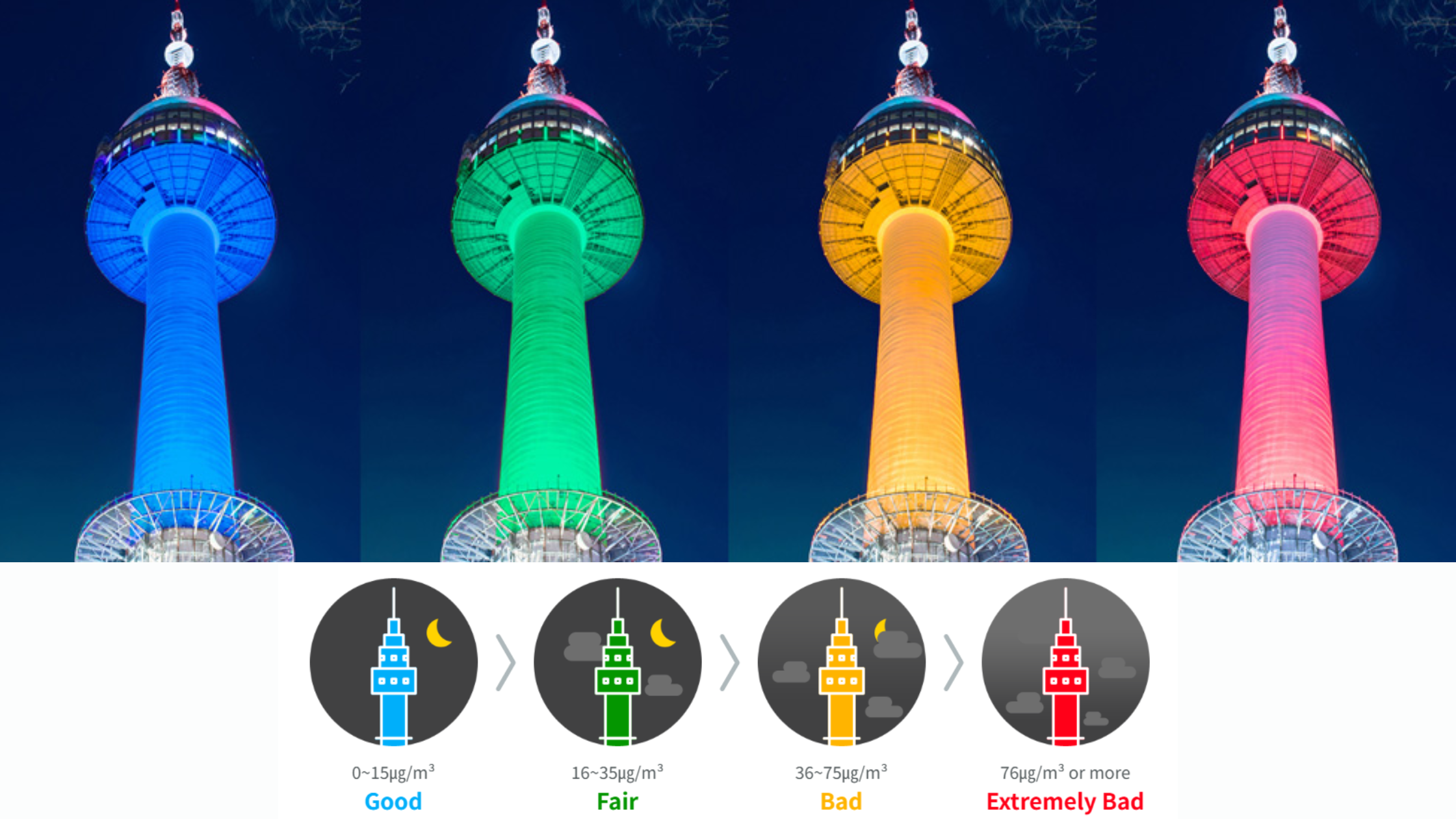
Seoul’s Namsan Tower (N Seoul Tower) changes its lighting color depending on weather and air quality conditions.
By simply looking at the tower’s color, you can intuitively understand the current air quality.
The lights usually turn on from sunset until around 11 PM, making it a subtle but helpful “sky signal” in Seoul at night.
😷 On Days with Poor PM10 / PM2.5 Levels…
We Recommend Wearing a KF94 Mask
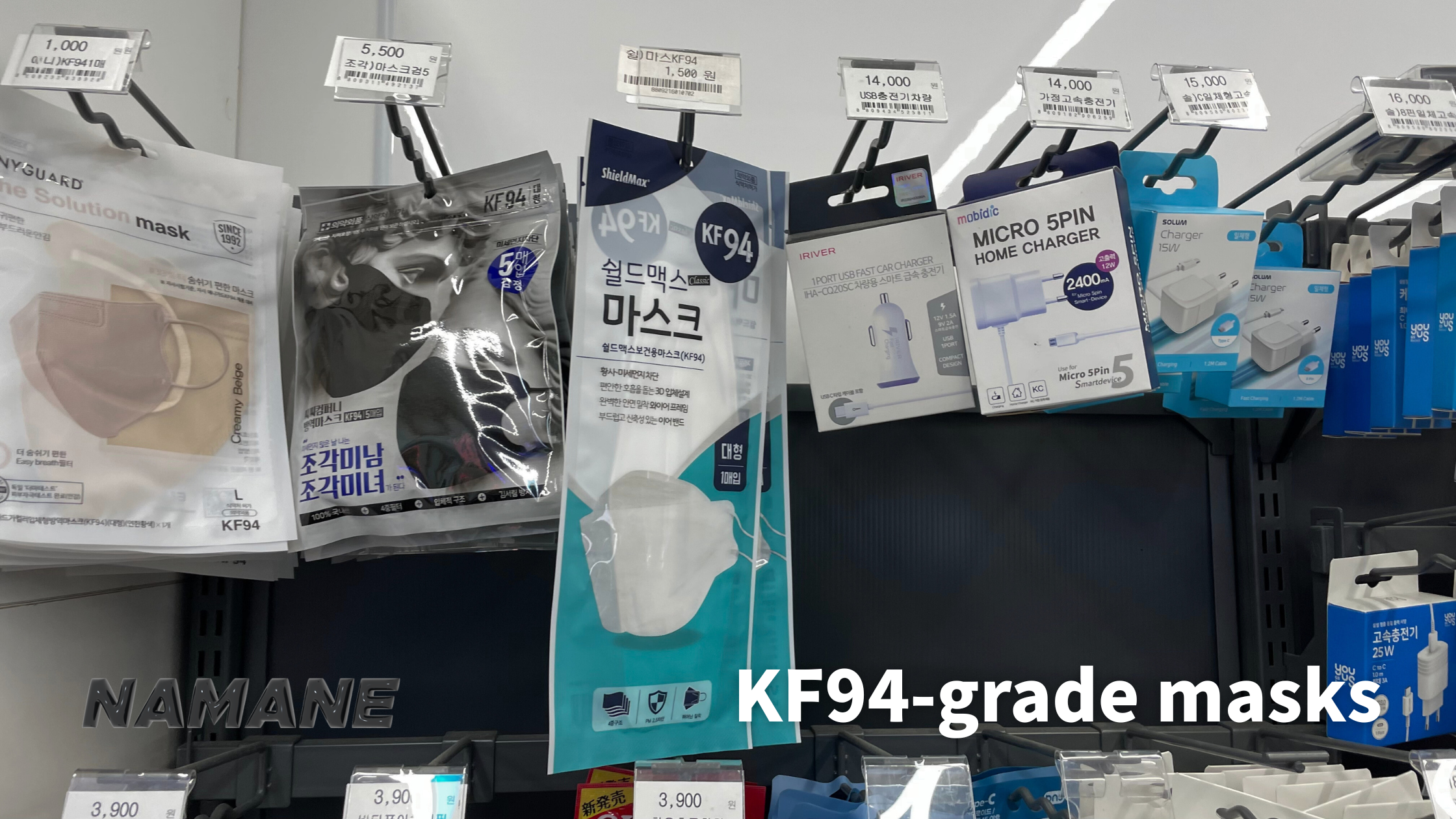
Regular disposable masks offer some protection, but on days with poor air quality in Korea,
KF94-certified masks are highly recommended.
✔ Blocks 94% or more of fine particles
“KF” stands for Korean Filter, a national certification standard.
KF94 masks block over 94% of 0.4μm particles, making them highly effective against PM2.5.
They’re easy to find at convenience stores and drugstores in Korea, and their 3D structure makes breathing more comfortable.
If the forecast shows air quality as “poor” or worse, choose a KF94 mask.
And don’t forget to wash your hands and gargle thoroughly after going out.
■ Best Seasons for Traveling to Korea: Spring & Fall
In recent years, spring and fall in Korea have become surprisingly short.
Many locals even say, “It’s the best season, but it’s over in a flash.”
To help you catch the perfect travel moment, here’s a summary of the best timing.
In the past, May felt like spring and September felt like fall, but now it’s better to think of:
Truly comfortable weather now lasts only 2–3 months per year.
⚠️ From late June to late July is the monsoon season (Jangma), so it’s wise to prepare rainy-day plans as well.
🏷️ Travel Korea with the NAMANE Card!

One highly recommended item for traveling in Korea is the NAMANE Card.
NAMANE comes from “나만의,” meaning “my own”.
You can customize it with photos and stamps, making it a unique keepsake from your trip.
◎ Why We Recommend the NAMANE Card
1. Transportation & Payments with One Card
Even when you suddenly hop on the subway or a taxi during rain,
just tap—no need to search for cash.
2. No Overseas Transaction Fees
As a prepaid card, it’s often cheaper than using Japanese credit cards abroad.
3. Easy Expense Tracking via App
You can instantly check how much you’ve spent—
perfect for managing rainy-day shopping.
4. Custom Design to Lift Your Mood
A card designed with your favorite photos
can brighten even the gloomiest rainy day.
🛒 How to Get a NAMANE Card
① Buy in Advance (Before Traveling to Korea)
② Buy Locally in Korea
Check the weather smartly,
and enjoy an amazing trip to Korea—no matter the sky ☀️

 NAMANE
When you’re traveling in Korea,
it can be really frustrating if the weather forecast turns out to be wrong and it suddenly starts raining, right?
“I thought it was supposed to be sunny until just a moment ago!”
That experience is actually very common in Korea.
Weather forecasts are one of the most frequent concerns for travelers to Korea, so in this article we’ve summarized:
1. Why Korea’s weather is difficult to predict
2. How Koreans actually check the weather
Even locally, Korea’s weather forecasts are sometimes jokingly called:
“The Liar Administration”
“The Broadcasting Administration (just telling you the current weather, not the forecast)”
That’s how challenging weather prediction in Korea is known to be.
🗺️ Geographic Conditions and Forecast Models Are Different
◯ Geographic Conditions
Korea is surrounded by the sea on three sides,
and about 70% of the country is mountainous, creating very complex terrain.
In addition, Korea is located where dry air from the continent and moist air from the sea collide.
As a result, rain clouds can form and develop very suddenly, which is one of Korea’s major weather characteristics.
◯ Differences in Weather Forecast Models
Korea has been using its own domestic forecast model only since around 2020, which is relatively recent.
Because data is still being accumulated, weather prediction remains particularly difficult.
At this point, many people may be wondering:
“So what should we trust?”
It’s hard to view Korean forecasts, but here’s how Koreans themselves check the weather.
✅ The Key Is to Check Multiple Sources Together ◯ Korea Meteorological Administration (KMA)
https://www.kma.go.kr/njpn/index.do
◯ NAVER Weather
https://weather.naver.com/today/09680656?cpName=WEATHERNEWS
On NAVER Weather, you can compare four different forecast providers:
1️⃣ Korea Meteorological Administration (기상청)
The official authority with vast domestic observation data.
If you want to check official warnings such as heavy rain alerts, this is the most reliable source.
2️⃣ AccuWeather (아큐웨더)
An American company that uses AI to analyze global weather data.
Many default weather apps on iPhone and Android use AccuWeather data.
3️⃣ The Weather Channel (웨더채널)
Another globally renowned weather service, using IBM’s AI technology to analyze massive datasets.
4️⃣ Weathernews (웨더뉴스)
Combines highly precise forecasting models with Korean weather data.
Its strength lies in calculation accuracy.
Because each provider uses different numerical models, update frequencies, and terrain interpretations, forecast results naturally vary.
Additionally:
Official sources prioritize disaster prevention
Private services tend to focus on daily life usability
Their purposes and definitions differ as well.
A Key Difference from other countries : Air Quality
One major difference when checking the weather in Korea
is the focus on air quality.
Let’s take a look at a Korea-specific indicator.
■ What Is “Mise-munji” (Fine Dust)?
“Mise-munji” means “fine dust” in Korean and refers collectively to airborne particulate pollutants.
Because of its significant health impact, it is always included in daily forecasts in Korea.
🌈 Namsan Tower as an “Air Quality Signal”
Seoul’s Namsan Tower (N Seoul Tower) changes its lighting color depending on weather and air quality conditions.
Red lighting: High fine dust levels (warning)
Blue lighting: Relatively clean air
By simply looking at the tower’s color, you can intuitively understand the current air quality.
The lights usually turn on from sunset until around 11 PM, making it a subtle but helpful “sky signal” in Seoul at night.
😷 On Days with Poor PM10 / PM2.5 Levels…
We Recommend Wearing a KF94 Mask
Regular disposable masks offer some protection, but on days with poor air quality in Korea,
KF94-certified masks are highly recommended.
✔ Blocks 94% or more of fine particles
“KF” stands for Korean Filter, a national certification standard.
KF94 masks block over 94% of 0.4μm particles, making them highly effective against PM2.5.
They’re easy to find at convenience stores and drugstores in Korea, and their 3D structure makes breathing more comfortable.
If the forecast shows air quality as “poor” or worse, choose a KF94 mask.
And don’t forget to wash your hands and gargle thoroughly after going out.
■ Best Seasons for Traveling to Korea: Spring & Fall
In recent years, spring and fall in Korea have become surprisingly short.
Many locals even say, “It’s the best season, but it’s over in a flash.”
To help you catch the perfect travel moment, here’s a summary of the best timing.
In the past, May felt like spring and September felt like fall, but now it’s better to think of:
May as early summer
September as late summer heat
Truly comfortable weather now lasts only 2–3 months per year.
⚠️ From late June to late July is the monsoon season (Jangma), so it’s wise to prepare rainy-day plans as well.
🏷️ Travel Korea with the NAMANE Card!
One highly recommended item for traveling in Korea is the NAMANE Card.
NAMANE comes from “나만의,” meaning “my own”.
You can customize it with photos and stamps, making it a unique keepsake from your trip.
◎ Why We Recommend the NAMANE Card
1. Transportation & Payments with One Card
Even when you suddenly hop on the subway or a taxi during rain,
just tap—no need to search for cash.
2. No Overseas Transaction Fees
As a prepaid card, it’s often cheaper than using Japanese credit cards abroad.
3. Easy Expense Tracking via App
You can instantly check how much you’ve spent—
perfect for managing rainy-day shopping.
4. Custom Design to Lift Your Mood
A card designed with your favorite photos
can brighten even the gloomiest rainy day.
🛒 How to Get a NAMANE Card
① Buy in Advance (Before Traveling to Korea)
② Buy Locally in Korea
Check the weather smartly,
and enjoy an amazing trip to Korea—no matter the sky ☀️